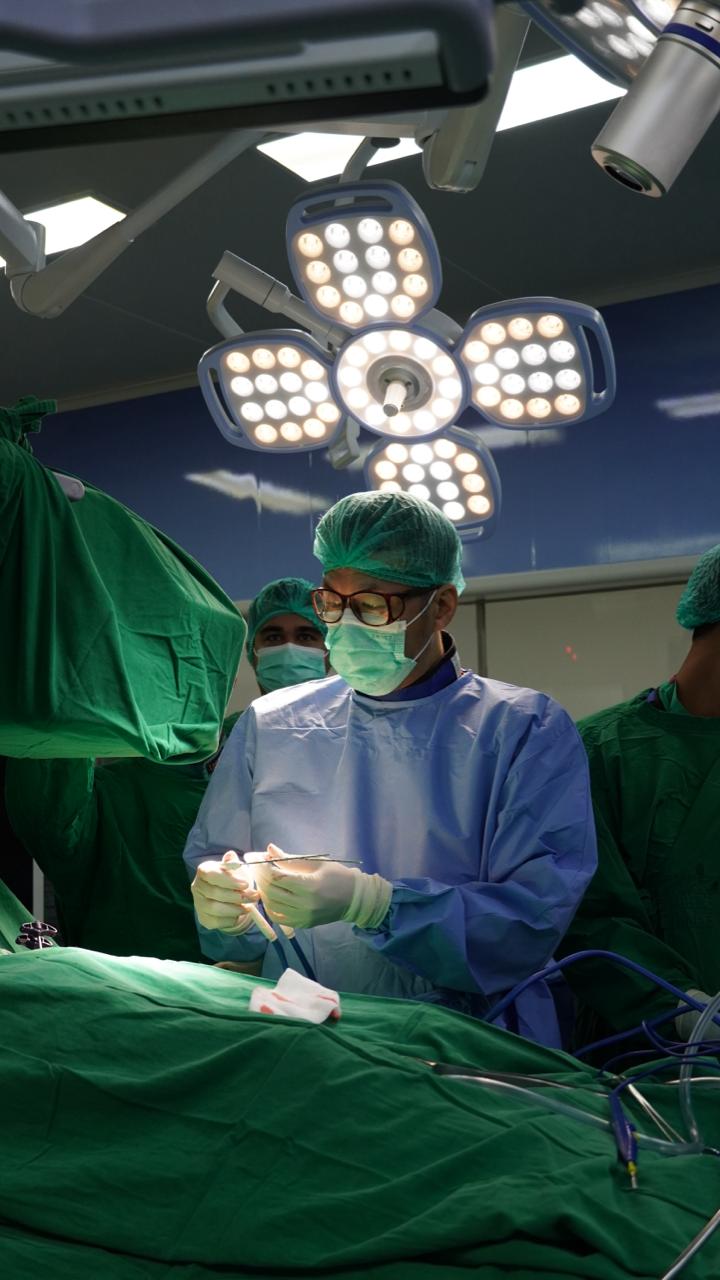
ISOLS Travelling Research Fellowship: Bridging Global Knowledge for Better Patient Care
When Dr Muhammad Phetrus Johan learned he would undertake his ISOLS Travelling Research Fellowship in the United Kingdom, he saw it as more than a professional opportunity. For the Indonesian orthopedic oncologist, it represents a chance to bring new knowledge, ideas, and global connections back to the patients and colleagues he serves at home.
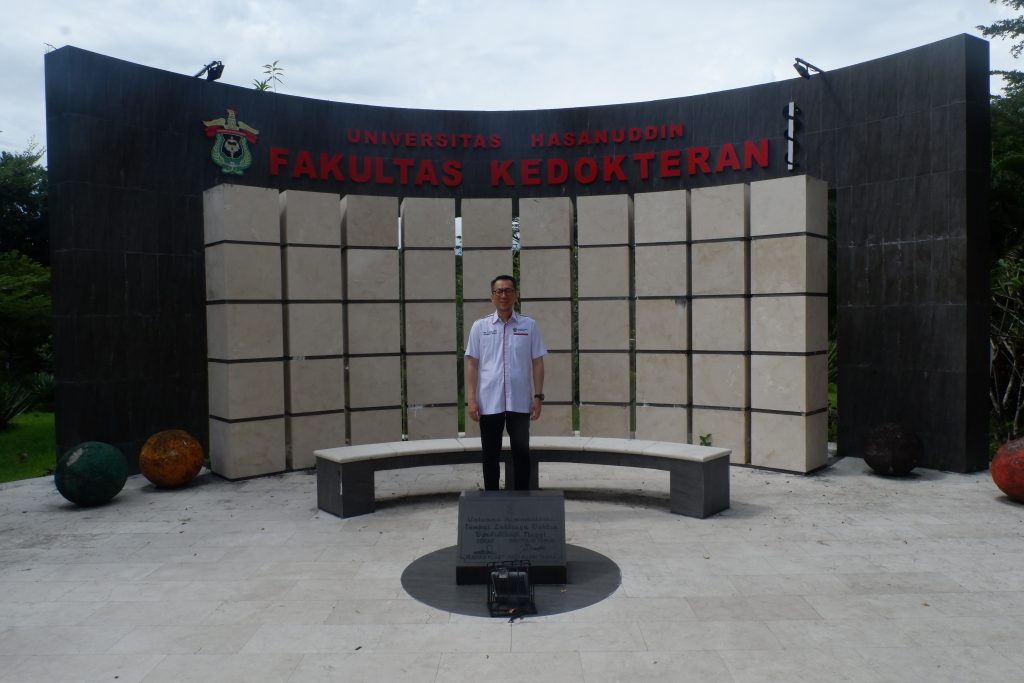
For Muhammad who is based at the Faculty of Medicine, Hasanuddin University in Makassar, Indonesia, and practicing at Wahidin Sudirohusodo General Hospital and Hasanuddin University Hospital, the Fellowship is an honor both personally and professionally.
This fellowship is not only about travelling or visiting other centers. It is a chance to learn how orthopedic oncology is practiced in different parts of the world and to reflect on how we can improve care in our own setting.
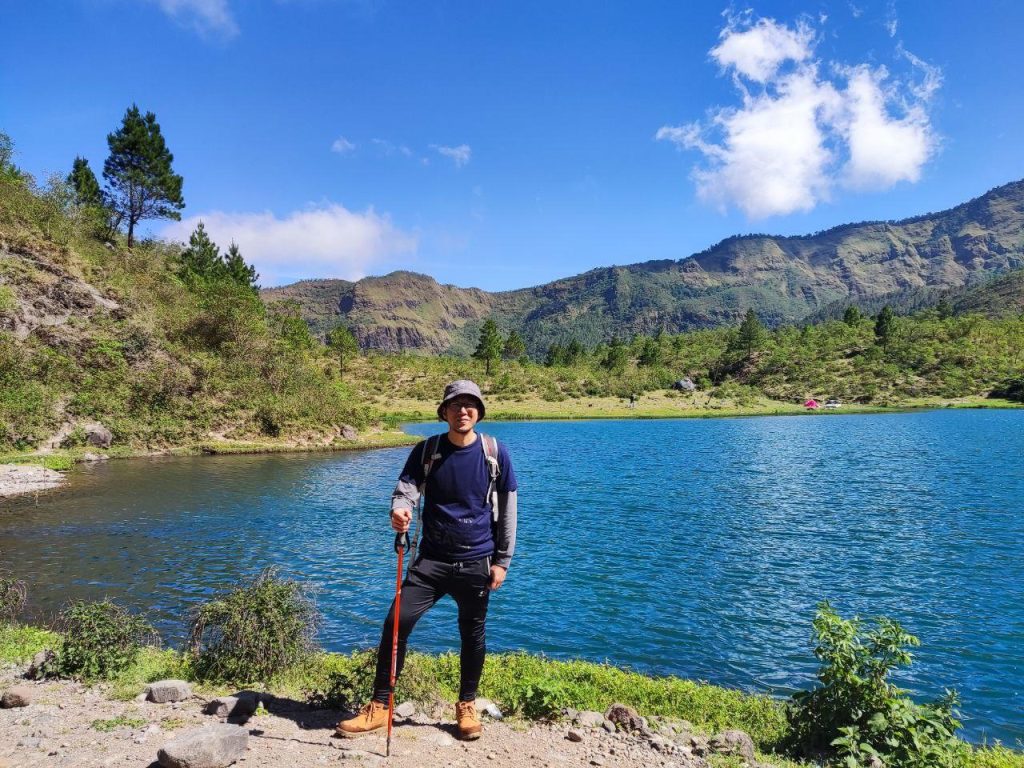
Healthcare Challenges & Opportunities in Indonesia
That mission is particularly important in Indonesia, where patients with bone and soft tissue tumours often face significant barriers to specialist care. Delayed presentation, limited access to advanced imaging and treatment, and geographic and financial challenges can all affect outcomes.
As a member of the Indonesian Musculoskeletal Oncology Society, he is passionate about improving not only patient care, but also education, collaboration, and service development across the region.
Research Focus & Multidisciplinary Care
The fellowship offers a unique opportunity to learn from established musculoskeletal oncology centers and gain fresh perspectives on the management of primary bone tumours, metastatic bone disease, soft tissue sarcomas and complex reconstructions.
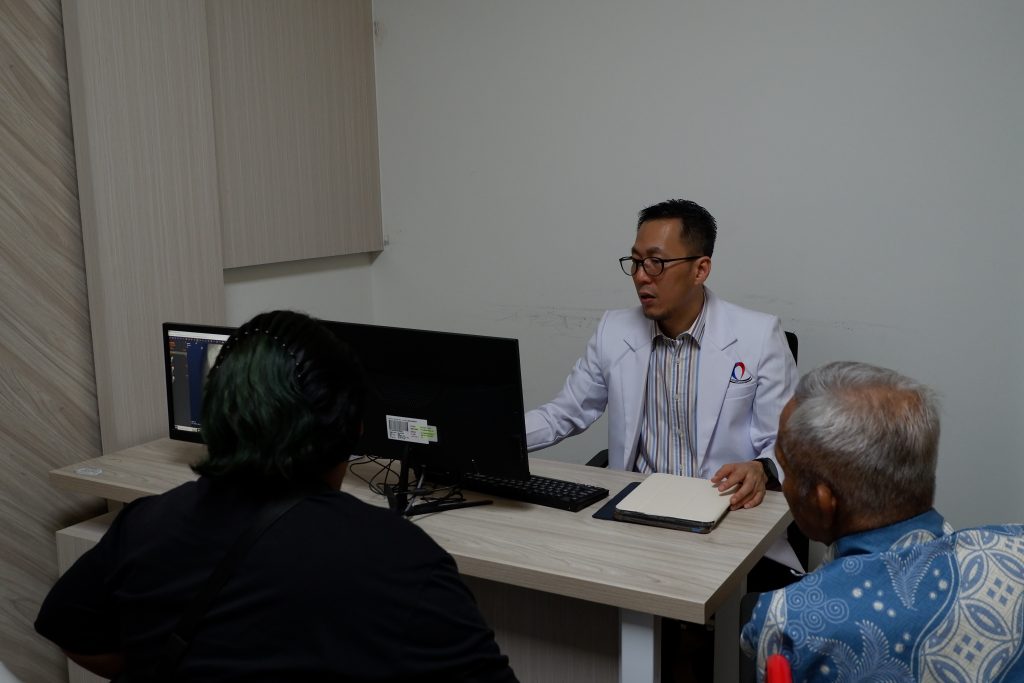
Among his key interests is understanding how multidisciplinary teams work together to optimize patient outcomes, from diagnosis and surgical planning through to rehabilitation and long-term survivorship.
I would like to compare outcomes from my center with those achieved in more developed healthcare systems," he explains. "I am interested in how multidisciplinary care, technology, rehabilitation and access to treatment influence patient outcomes and quality of life.
Technology, Precision Medicine & Real-World Practicalities
He is also keen to explore the growing role of precision medicine in musculoskeletal oncology.
"Understanding tumor biology, personalized treatment approaches, targeted therapies and molecular information will become increasingly important in the future" he says
While advanced technologies and new treatment approaches are a major focus, he believes some of the most valuable lessons will come from observing how experienced centers make day-to-day clinical decisions, conduct multidisciplinary tumor boards and balance ideal treatment pathways with real-world practicalities.
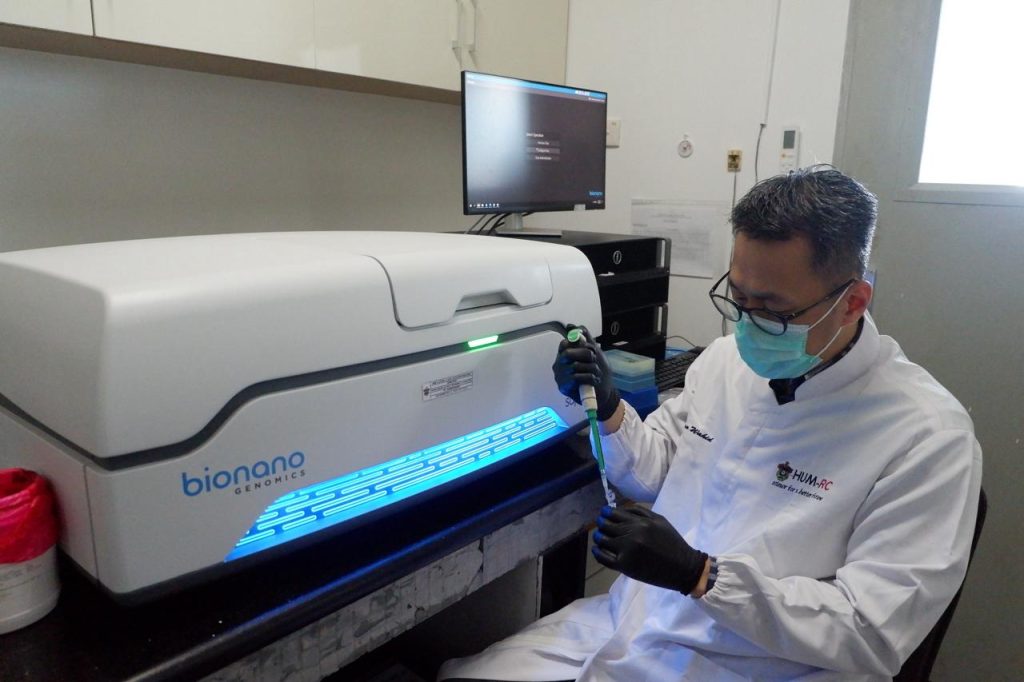
Impacting Low- and Middle-Income Countries
His enthusiasm for knowledge exchange reflects a broader commitment to improving sarcoma care in low- and middle-income countries.
In resource-constrained settings, education can have an immediate impact. Greater awareness among healthcare professionals can lead to earlier diagnosis, more appropriate biopsy planning, timely referrals and better multidisciplinary management.
"If more doctors understand when to suspect sarcoma and how to manage these patients appropriately, the impact on patient care can be significant" he says.
He also believes global collaboration works best when it recognizes that healthcare systems differ.
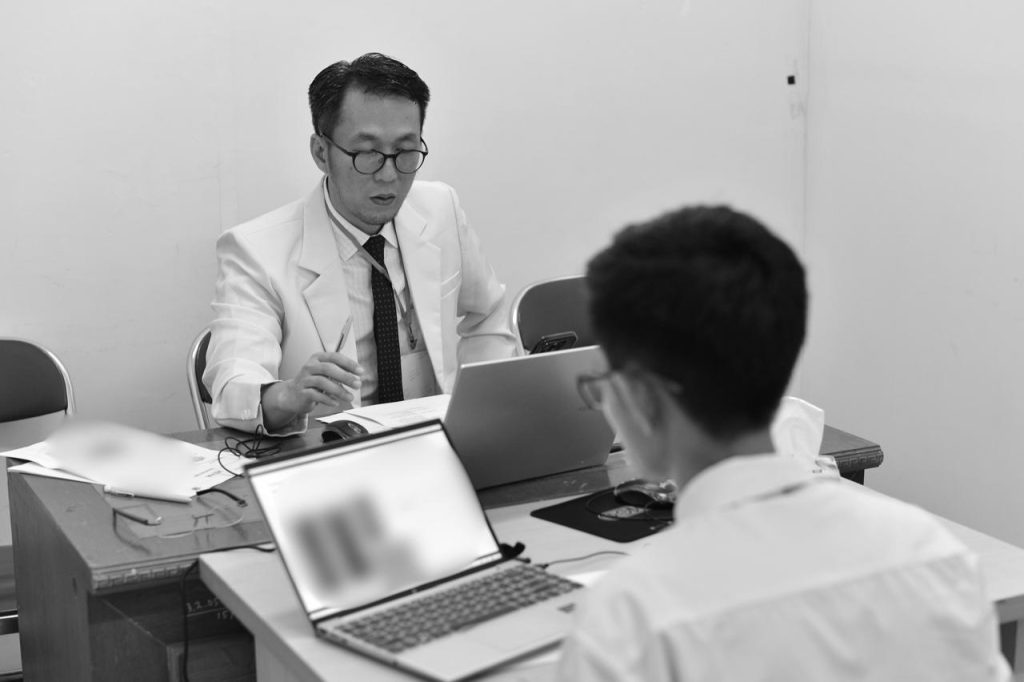
It is not enough to simply discuss what works in a high-income country. We need to understand how good oncologic principles can be adapted to different environments and available resources.
For Muhammad, this is one of the strengths of ISOLS’ commitment to supporting surgeons and services in low- and middle-income countries. The exchange of ideas benefits everyone involved, with clinicians from resource-limited settings often bringing valuable perspectives on innovation, adaptability and delivering care under challenging circumstances.
Future Collaborations & Inspiring the Next Generation
Beyond the educational experience, he hopes the fellowship will lead to lasting international relationships and future collaborations.
"I want to bring back knowledge and ideas that can be applied in my center and country," he says.
"Not only to improve my own practice, but also to help train younger surgeons and strengthen our orthopedic oncology services." he says.
For surgeons considering applying for future ISOLS fellowships, Muhammed encourages applying for future opportunities offered by ISOLS.
"Sometimes people feel their center is not advanced enough, but that is exactly why these opportunities are important," he says.
"We all have something valuable to contribute. The key is to be humble, curious and willing to learn."
As one of the first ISOLS Travelling Research Fellows alongside Dr Alexandra Callan, Muhammad is embracing that mindset. Expecting to work across three centers in Oxford, London, and Birmingham in August this year, his journey to the United Kingdom will broaden his experience and help strengthen global collaborative musculoskeletal oncology care, education, and collaboration for years to come.