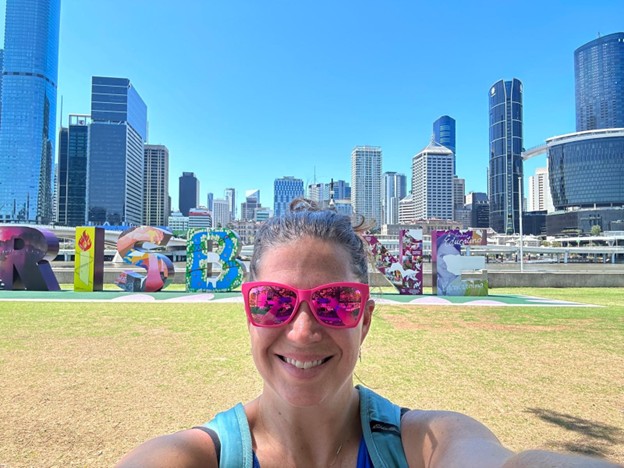
Introducing ISOLS Travelling Research Fellow Alexandra Callan
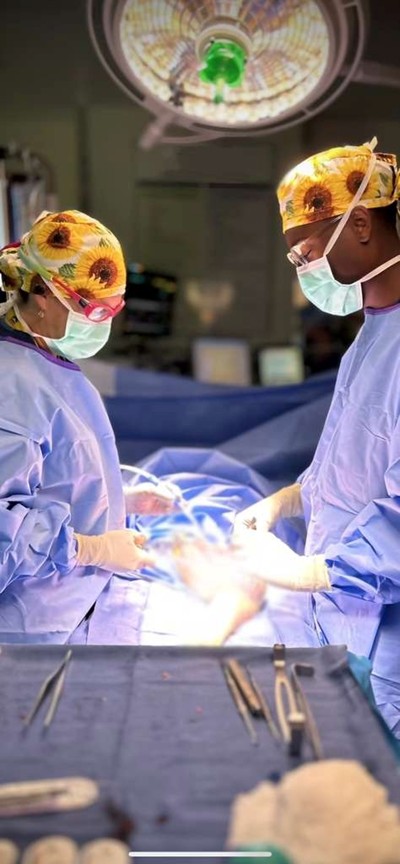
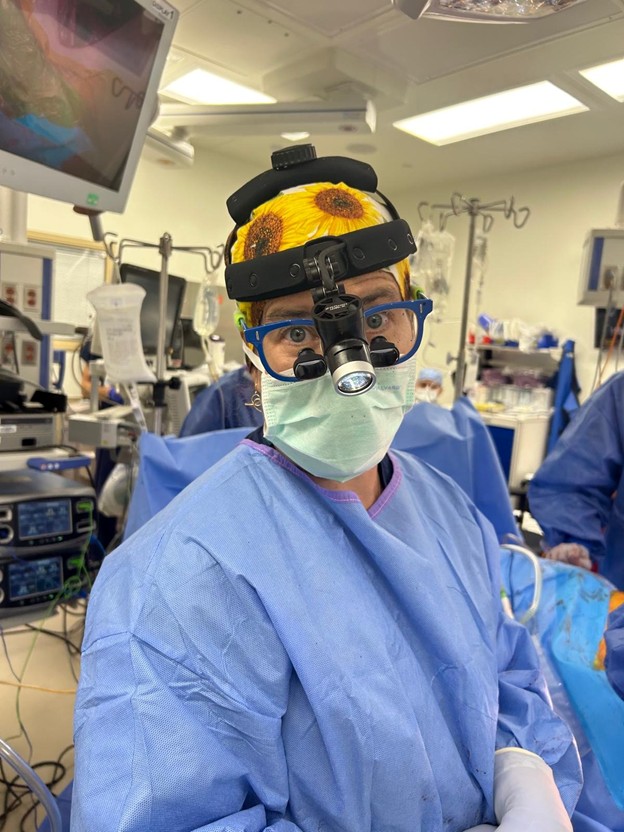
Being named one of the inaugural ISOLS Travelling Research Fellows marks a significant moment not only for the Society, but for the individuals helping to shape its future. In our first profile interview, we meet Alexandra “Alex” Callan, Chief of the Musculoskeletal Oncology Division at UT Southwestern.
For Alex, orthopedic oncology has always been a discipline defined by collaboration, innovation, and global connection.
"It’s an incredible honour to be selected as one of the inaugural ISOLS Travelling Fellows,” says the Texas based surgeon.
“I am proud to be part of ISOLS’ international community dedicated to caring for sarcoma patients.”
“The only way we’re truly going to develop better solutions and cures is through collaboration.”
A global mindset for a global challenge
The ISOLS Travelling Fellowship is designed to strengthen knowledge exchange across borders, supporting both professional development and the Society’s broader mission, particularly in low- and middle-income countries (LMICs).
Alex’s career reflects this ethos. Through this fellowship, she hopes to deepen those global connections while expanding her clinical and scientific perspective.
“Sarcoma care exists beyond geographical boundaries, with every country adopting a different approach. I’m most excited to meet colleagues from across the world who will broaden my understanding of how we care for patients with sarcoma, and help me continue to evolve my own skillset and approach to complex cases.”
Learning across systems, resources and techniques
A key focus of the fellowship is exposure to diverse healthcare environments and surgical approaches.
Alex is particularly interested in how surgeons adapt techniques for local control and reconstruction based on available resources, and how innovation emerges in constrained settings.
She’s looking forward to discovering how surgeons in different countries approach local control and develop creative reconstructive techniques, especially for LMIC countries operating under challenging conditions.
“It’s incredibly important for me, coming from the United States, to understand what resources surgeons have in developing countries, and how they’re able to provide optimal care with those constraints,” she says.
“We have a lot to learn from colleagues around the world about delivering high-quality care in a way that is both effective and accessible.”
“I have the luxury of custom implants, high-tech navigation, and access to bone banks. But I’m really looking forward to learning how to perform complex resections with limited resources, and how to provide affordable care without compromising oncological outcomes.”
“There’s so much we can learn from how others utilise the resources they have to deliver excellent care.” she says.
Her interests span both advanced and resource-conscious techniques, from “autograft” reconstruction after use of extracorporeal radiation or liquid nitrogen, use of “off-the-shelf implants” to perform a reconstruction, and approaches that rely on minimal technology.
Beyond surgical techniques, she is also focused on education, both for patients and for the next generation of surgeons.
“I’m passionate about understanding how different healthcare systems approach education, how we train surgeons, how we educate patients, and how we build sustainable expertise,” she says.
Building bridges across the global sarcoma community
At its core, the Travelling Fellowship is about connection, between clinicians, researchers and patients across cultures and systems.
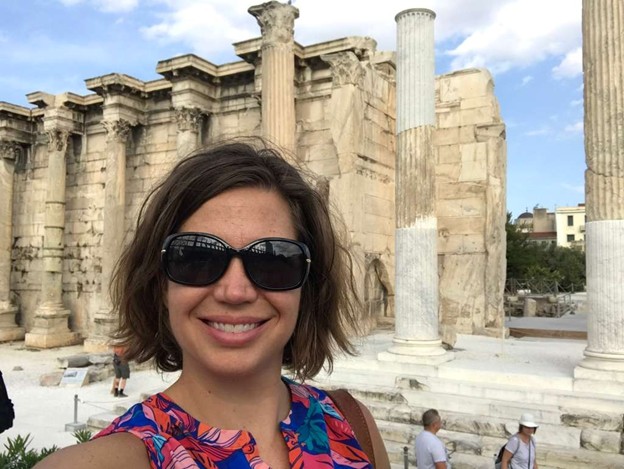
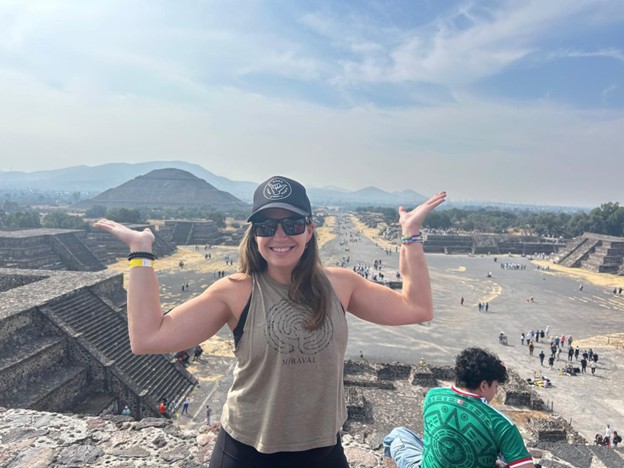
Alex brings a deeply personal appreciation for this. Having travelled extensively before entering medicine, she sees global engagement as both professionally and personally transformative.
“When a patient receives a sarcoma diagnosis, it’s devastating and life changing. Because it’s such a rare cancer, the best way forward is to come together as a global community, to build bridges, collaborate, and improve outcomes,” she says.
Her planned visits reflect this commitment to learning across diverse systems.
She is particularly eager to visit India and Japan, two countries with very different healthcare systems and patient volumes. Experiencing both high-volume centres and resource-variable settings is something she looks forward to experiencing.
A fellowship built on shared purpose
The ISOLS Travelling Fellowship brings together individuals who are not only advancing their own careers, but actively contributing to the Society’s long-term goals, strengthening global networks, supporting LMIC initiatives, and fostering innovation in sarcoma care.
Alex is already looking ahead to how she can contribute beyond her fellowship.
“The ISOLS community is incredibly welcoming and supportive of young surgeons,” she says.
“This fellowship is a unique opportunity to share knowledge, learn from global specialists, and build lifelong relationships in our small subspecialty.”
“I hope to continue fostering international collaborations and ultimately pay it forward by hosting and supporting others who want to learn how we approach care at UT Southwestern.”
Looking ahead
As one of the inaugural fellows, Alexandra represents the future of ISOLS: globally connected, scientifically driven, and deeply committed to improving outcomes for patients everywhere.
Her journey through the Travelling Fellowship will not only shape her own practice, but contribute to a stronger, more connected global sarcoma community.
You can look forward to hearing from our second inaugural Travelling Fellowship recipient Mohammed Phetrus Johan in the June edition of the ISOLS Insider.